
It’s where you account for the labor it takes to run your restaurant (remember, not in Cost of Goods Sold). You can calculate COGS the hard way… how many you sold of a menu item X how much it cost to make it. It basically means the cost of all of the ingredients & items on your menu. Then all of these are broken down into subcategories… things like marketing, restaurant supplies, and sales are all items you would typically find in a restaurant Chart of Accounts. Tracking these will allow you to better monitor your restaurant’s net worth and see how well your business is doing overtime. For example, let’s say that you sell one type of dish for $20 and it costs your restaurant $15 to make this item.
- Running a restaurant means creating a symphony of flavors, but behind the scenes, managing finances is the true backbone of your establishment’s success.
- It allows real-time tracking of your financial performance and mitigates errors that occur with manual restaurant accounting.
- Remember that accurate bookkeeping is the key to understanding how much revenue your restaurant generates, managing expenses, and ultimately thriving in the competitive food and beverage industry.
- Staying on top of your books helps you catch mistakes early, avoid surprises, and keep a clear picture of how your business is doing.
- Every sale, purchase, payroll entry, or expense flows into this ledger.
Chart of accounts

Maintaining restaurant accounts involves meticulous record-keeping of daily sales, expenses (such as ingredients, wages, utilities), and inventory. Regularly reconcile bank statements, track profit margins, and monitor cash flow. Implement strict controls to prevent fraud or errors, and ensure compliance with tax regulations. Regular audits and financial reviews help maintain transparency and financial health in restaurant operations. It matches revenues and expenses when they are incurred, providing a clearer picture of profitability and financial health.
Compare statements
You might also track the money you spend on advertising, supplies, and rent separately. Also known as “sales per seat” or “average ticket” or “average spend per head. You can use this metric to understand breakfast, lunch, and dinner time averages, and track trends over time. Here is the ultimate list of restaurant business KPIs you’ll lose sleep over. Regularly review sales data from previous years to identify patterns and trends. This information can be invaluable for predicting future fluctuations and making informed decisions.
- Food costs track the cost of preparing a menu item relative to the revenue generated from it.
- Most restaurant bookkeeping software has an inventory management system to help you track your inventory and avoid food shortages and surpluses.
- Now that you have a basic idea of the do’s and don’ts, you can better determine what step to take next to upgrade the accounting techniques you’re currently using.
- The restaurant industry’s high volume of cash transactions increases the risk of errors, discrepancies, and even theft.
- Implement strict controls to prevent fraud or errors, and ensure compliance with tax regulations.
Record Your Sales Entries Per Day

Tracking expenses, managing inventory, and controlling overhead costs help optimize profitability and minimize waste. Point of Sale (POS) systems are indispensable tools in modern restaurant operations, and when integrated with accounting software, they become a dynamic duo for financial management. These systems not only simplify sales data entry but also facilitate real-time tracking of revenue and expenses, providing accurate insights into your restaurant’s financial health. It plays a pivotal role in the world of restaurant bookkeeping, serving as invaluable tools for gauging your establishment’s financial health. They offer a comprehensive view of your restaurant’s performance, encompassing vital aspects such as food sales and cost of goods sold. By carefully examining income statements, you can gain insights into your revenue and expenses, including the costs directly related to food sales.
Restaurant Accounting: A Step-by-Step Guide
A good POS system should be able to help you track this, but you may want to seek assistance with filing your sales tax returns if accounting isn’t your strong suit. But knowing the basics of restaurant accounting can pay dividends in helping you understand your accountant better and manage your money. The primary function of nonprofit accounting is to track any incoming and outgoing funds in order to ensure the organization’s financial stability. Nonprofit accounting services help organizations keep their records up-to-date so that they are able to submit appropriate IRS forms on time. Your total contributions are the earnings you receive from selling meals minus all of your costs for making or buying those items. Items that contribute towards this number include food, beverages, and labor costs.
Restaurant Accounting 101: Where to Start
- Furthermore, accurate bookkeeping is crucial for complying with tax regulations, maintaining transparency with stakeholders, and securing funding for future expansion.
- In this restaurant accounting guide, we’ll break down the basics you need to get going so that the idea of restaurant accounting doesn’t leave you feeling defeated.
- Minimize your tax liability and maximize financial stability with a well-devised plan.
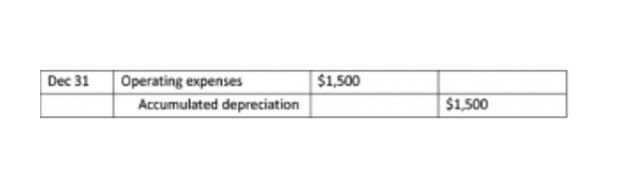
- Here is an example of a journal entry for a restaurant recording a rent payment.
- See how WISK simplifies inventory, cuts costs, and helps you run smarter operations—all in one quick demo.
- Identifying all possible types of accounts helps you paint a clearer picture of where money comes from and what you spend it on.
Then there’s non-fixed costs, which are guaranteed to change every month. You’ll need to include some padding in your budget based on your previous year’s restaurant expenses, so that Oil And Gas Accounting you can project these to a degree of accuracy. Fixed costs don’t change, making them easier to anticipate and include in your budget. But you’ll also have to account for semi-variable costs, which will change slightly from month to month.
- If you are not aware of how much your operational expenses are, it can take a long time for you to find out if your restaurant will be profitable.
- The key here is to be organized and simple with a system that makes sense for your restaurant.
- Manual, spreadsheet-based tactics are about as useful today as a columnar pad.
- Regularly cross-check your restaurant’s daily sales reports, cash register totals, and credit card receipts with the corresponding deposits and fees on your bank and credit card statements.
- However, it still helps to understand what goes into the manual process.
- If you prefer manual bookkeeping, you can use financial report templates to guide yourself through the process of transferring ledger information.
Employees restaurant bookkeeping for dummies are responsible for tracking and reporting their cash tips to their employers. On the other hand, credit card tips must be collected, allocated, and reported to employees. Tips are a significant portion of income for many restaurant employees. It’s essential to track and report them carefully to ensure employees receive what they earn and the restaurant complies with tax regulations.
Gross profits
Please note that your COGS will not include labor costs or utilities…it only includes the cost of the actual ingredients that make up the dishes on your menu. These statistics are no joking matter and should be addressed by your eatery before your establishment becomes one of them. Let’s quickly review and explain five basic restaurant accounting components that will help you manage and run a more profitable hospitality business. This is why having a handle of your restaurant’s accounting is important from day one. Each accounting entry, as unimportant as it may seem, plays a crucial role in helping you to spot issues, increase profit and prevent loss. Streamlining the accounts payable process into an AP automation allows you to quickly capture paper and electronic invoices and route them through customized workflows for approvals.
Historically a business owner needs to choose https://maqasid.so/credit-sales-journal-entry-example/ a software platform, find a bookkeeper and a separate CPA for their taxes. Bookkeeping Chef eliminates this friction and allows restaurant operators to easily manage their finances from a single hub. Comparing your restaurant’s financial performance to industry averages can help you set realistic goals and expectations. Accurate record-keeping is a fundamental aspect of bookkeeping for a restaurant. Accurate COGS calculations are vital because they provide a clear picture of how efficiently your restaurant is managing its raw material costs. This knowledge allows you to make informed decisions about pricing, menu offerings, and supplier negotiations, all of which can significantly impact your restaurant’s profitability.

